Stop Reacting to Medicaid Audits. Start Preventing Them.

Every state has unique Medicaid directory requirements. HiLabs automates provider roster reconciliation and directory compliance-state by state.

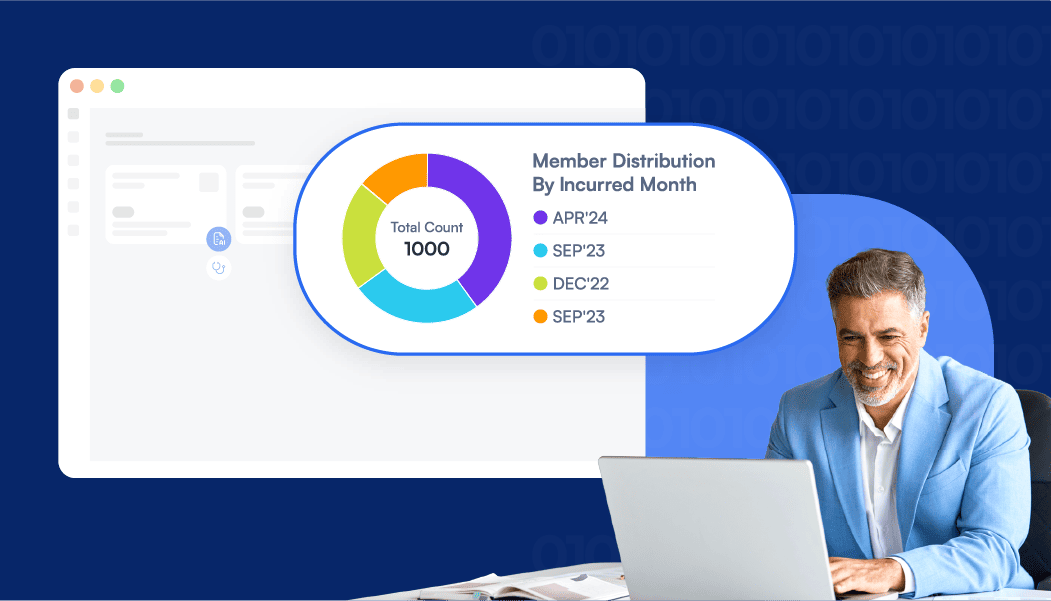
Hero Image showing dashboard

50

State-specific Medicaid directory and adequacy standards, each with a distinct compliance logic

CAA 2023

Searchable directory mandate 
effective July 1, 2025, covering 
MCOs, PIHPs, PAHPs & PCCM 
entities

90%

Minimum appointment availability compliance rate required under secret shopper survey standards

Every 3 months

Minimum directory update frequency required, with 30-day error correction window in many states

Medicaid provider data breaks at the point of delegation

The real problem isn't compliance paperwork. It's multiple provider groups, multiple roster formats, multiple submission schedules and one deadline you can't miss.

Delegated network complexity
MCOs manage hundreds of delegated provider groups, each submitting rosters in inconsistent formats on their own schedule. Manual reconciliation is error-prone and doesn't scale.
State-by-state variation
What satisfies Texas Medicaid directory standards may not satisfy California's. Keeping compliance logic current across markets requires dedicated analyst time.
Access equity gaps
States require good-faith efforts to contract with essential community providers. Ghost providers and inaccurate directories undermine the access equity obligations and expose health plan during EQR reviews.
Secret shopper exposure
States use independent entities to validate directory accuracy and appointment availability. Errors must be corrected within 30 days, and results to be posted publicly.

ONE PLATFORM THAT SPEAKS EVERY STATE'S LANGUAGE

Purpose-built for Medicaid Managed Care - From delegated roster reconciliation and searchable directory compliance to network adequacy monitoring across every market.

Medicaid plans using HiLabs stop reacting to audits. They prevent them

Measured across Medicaid managed care deployments. Real outcomes from plans operating across multiple state markets.

80%+

Reduction in roster processing time across delegated provider groups

99%+

Directory accuracy rate achieved post-deployment, across all service areas

Zero

Secret shopper findings for plans with continuous HiLabs monitoring

30+

Markets in active production, including multi-state Medicaid MCO environments

From delegated roster chaos to state-ready directory in four steps.

Medicaid plans using HiLabs optimizes cost, reduces compliance risk and enhances operational efficiencies.

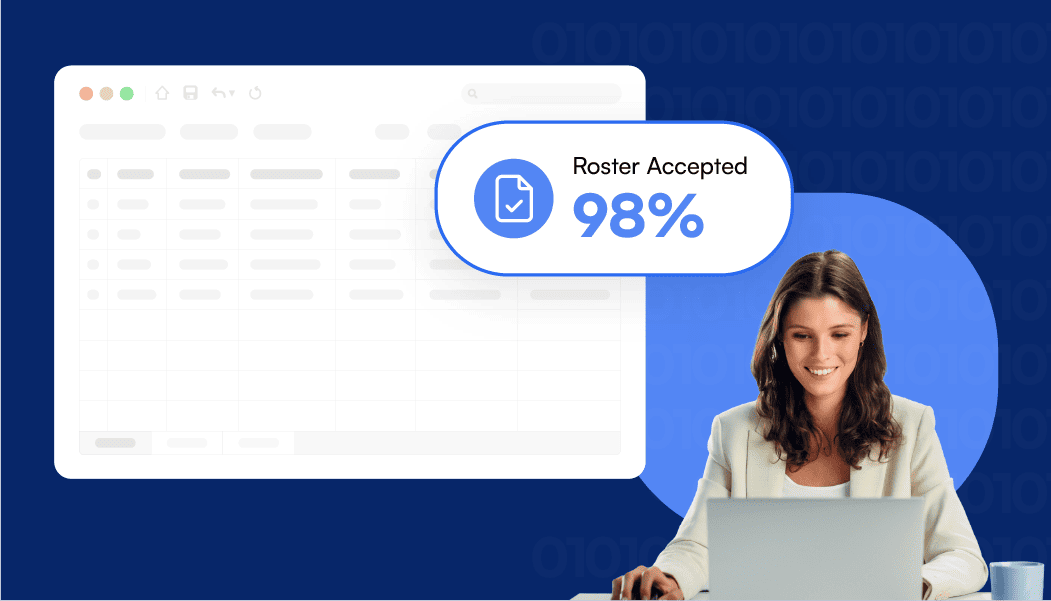
Automatically accept delegated roster files in any format, Excel, CSV, EDI, or direct feed, from every provider group, without standarization requirements.

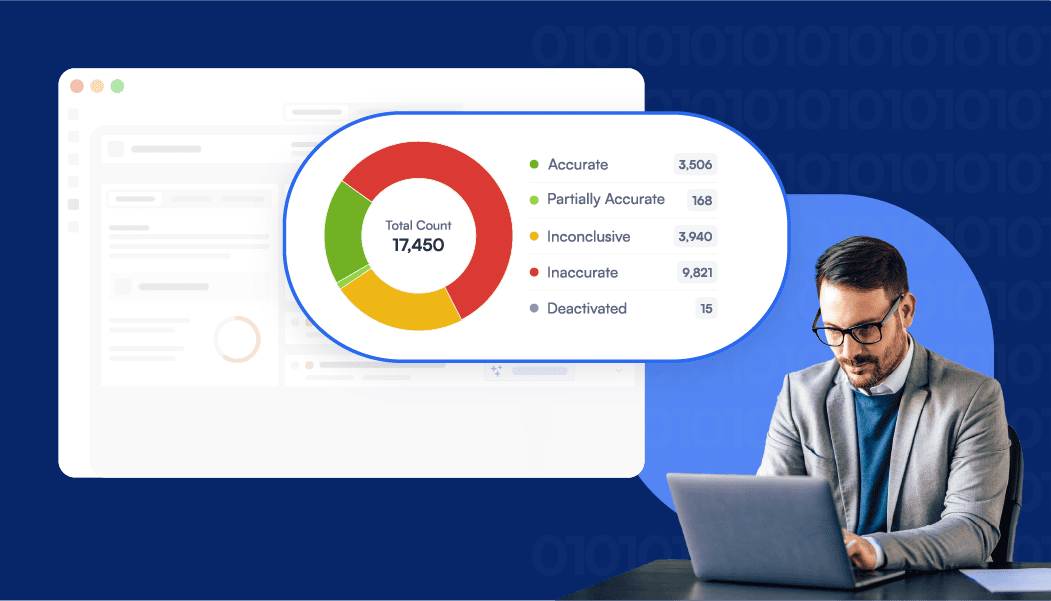
Every record is cross-referenced against NPI Registry, CAQH, state Medicaid enrollment files, DEA, and licensing boards, with state-specific validation logic per market.

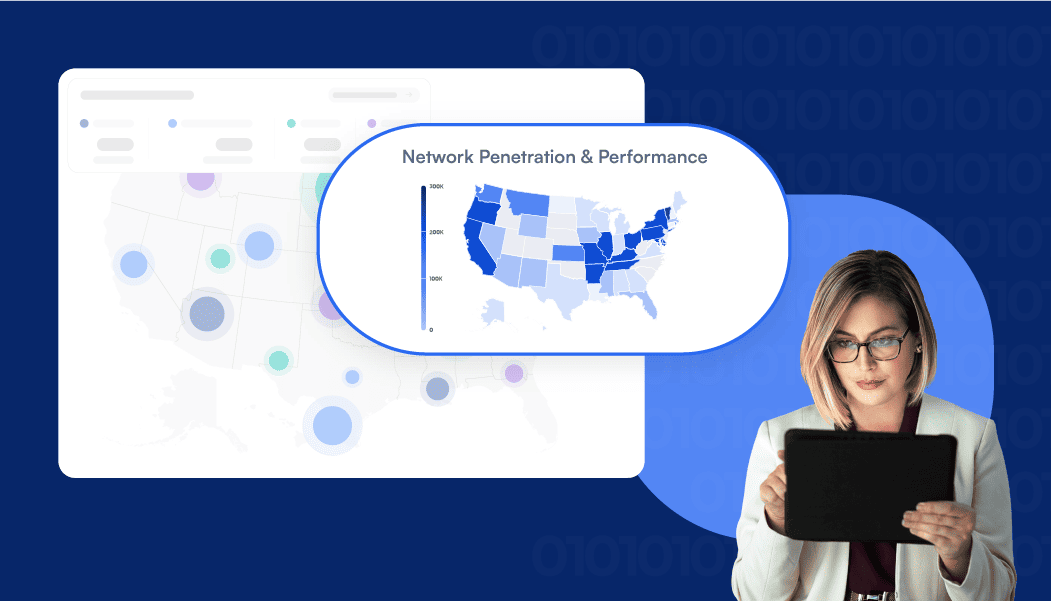
Daily refresh catches ghost providers, license lapses, ECP gaps, and adequacy drift, with alerts routed before secret shopper surveys or EQR reviews surface the same issues.

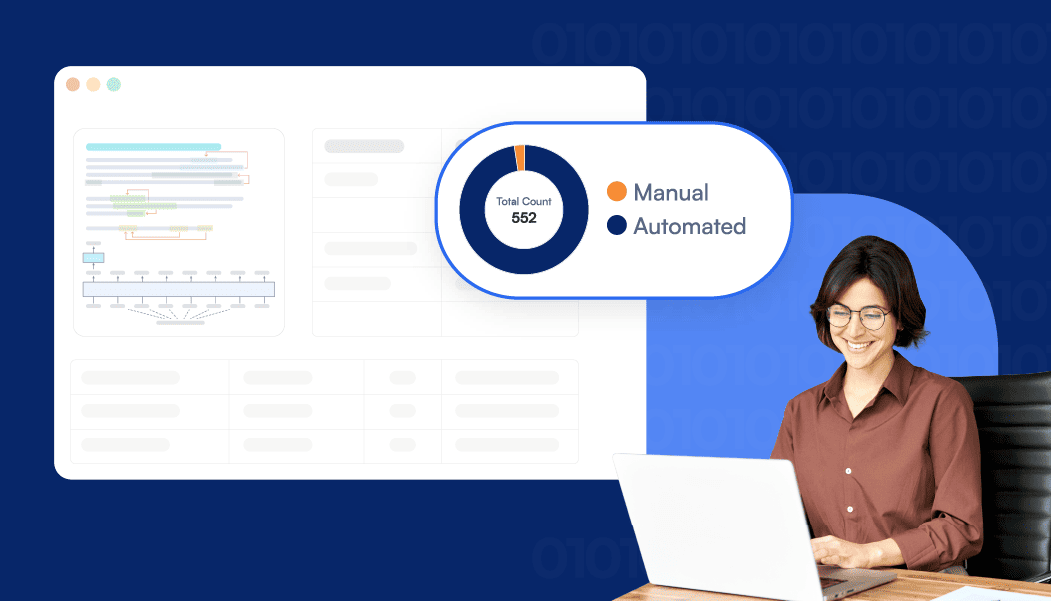
Validated provider data populates CAA 2023-compliant searchable directory and generates state-formatted HSD reports and adequacy documentation, ready for submission.

A Medicaid MCO eliminates roster backlogs and passes state audit

A Medicaid managed care organization managing delegated networks across multiple state markets was drowning in manual roster reconciliation while facing an upcoming state audit. HiLabs deployed Roster Automation and Directory Accuracy across all markets in under four weeks.

pdm-value-proposition.webp

Roster Automation: 80%+ reduction in 
manual reconciliation

Delegated rosters from all provider groups, in every format, processed automatically with no analyst intervention, eliminating the backlog delaying directory updates.

Directory Accuracy: CAA 2023-compliant 
across all markets

Searchable directory deployed with behavioral health and SUD providers tracked as distinct categories, continuously monitored against state standards.

State Audit: Zero findings, audit closed 
without remediation

The plan entered the EQR audit cycle with complete, validated directory data and HSD-formatted adequacy reports. The audit closed without a corrective action plan.

Built for every Medicaid operations stakeholder.

HiLabs surfaces the right intelligence for every leader who touches Medicaid provider data, from front-line operations to the executive signing the state contract.

PROGRAM LEADERSHIP

Head of Medicaid
Accountable for state contract performance, EQR outcomes, and the accuracy of your delegated network across all markets.

NETWORK LEADERSHIP

VP / Director, Network Management
Managing delegated provider groups across multiple states with different adequacy standards, reconciliation timelines, and reporting requirements.

OPERATIONS

Head of Medicaid Operations
Running day-to-day roster reconciliation, directory maintenance, and adequacy reporting workflows that keep the plan state-compliant and audit-ready.

COMPLIANCE

Head of Medicaid Compliance
Responsible for CAA 2023 compliance, secret shopper readiness, EQR reporting, and meeting evolving state directory standards before they become findings.

DATA & ANALYTICS

Head of Enterprise Data
Building the provider data infrastructure compliance, network, and quality teams depend on, across every state market and delegated entity.

QUALITY & PERFORMANCE

Head of Quality
Tracking directory accuracy and ECP coverage as quality measures, ensuring state-published secret shopper results reflect well on the plan.

CLINICAL & EXECUTIVE

State Medicaid Director / CMO
Accountable for access equity outcomes, member experience, and demonstrating to the state that your network serves the populations it's designed to reach.

Questions Medicaid Plans Ask Before Deploying HiLabs.

How does HiLabs handle delegated roster files from provider groups in different formats?

MCheck Roster Automation accepts roster files in any format — Excel, CSV, EDI, PDF, or direct API feed — without requiring your provider groups to standardize their submissions. Field mapping, normalization, and validation against NPI, CAQH, and state enrollment files happen automatically on ingestion.

Can HiLabs track state-specific Medicaid directory standards across multiple markets?

Yes. HiLabs maintains state-specific compliance logic for each market you operate in — including distinct directory standards, adequacy thresholds, and reporting formats. When a state updates its requirements, the platform logic is updated without requiring plan-side configuration changes.

How does HiLabs support the CAA 2023 searchable directory requirement effective July 2025?

MCheck Directory Accuracy produces a continuously-maintained, searchable provider directory that meets CAA 2023 standards — including behavioral health and SUD provider designation, telehealth status, and the data elements required for MCO, PIHP, and PAHP compliance under section 5123.

Does HiLabs help with ECP (essential community provider) gap compliance?

Yes. MCheck NetworkIQ tracks ECP coverage as a distinct adequacy dimension, flagging geographic and specialty gaps in your essential community provider network before they appear in EQR reviews or state audit findings.

How does HiLabs prepare us for state secret shopper surveys?

HiLabs maintains your directory in a continuously-validated state — so when a state-contracted entity runs a secret shopper survey, the provider data they test reflects reality. Errors are caught and corrected by the platform before the survey, not after findings are posted publicly.

How quickly can we get from deployment to state-audit-ready output?

Most Medicaid MCOs are generating state-formatted directory and adequacy output within four weeks of deployment. The initial ingestion and validation cycle surfaces delegated roster errors and directory gaps immediately — which many plans find is the highest-value insight in the first 30 days.

HEALTHCARE DATA MANAGEMENT, BUILT FOR SCALE

One platform for every state you operate in

See how HiLabs helps Medicaid MCOs reconcile delegated rosters, maintain state-compliant directories, and pass audits, in a 30-minute demo.